Web Design: The Key to Your Business Website's Success
This article discusses the importance of good web design for business websites, covering key elements, latest trends, and tips for choosing professional services.
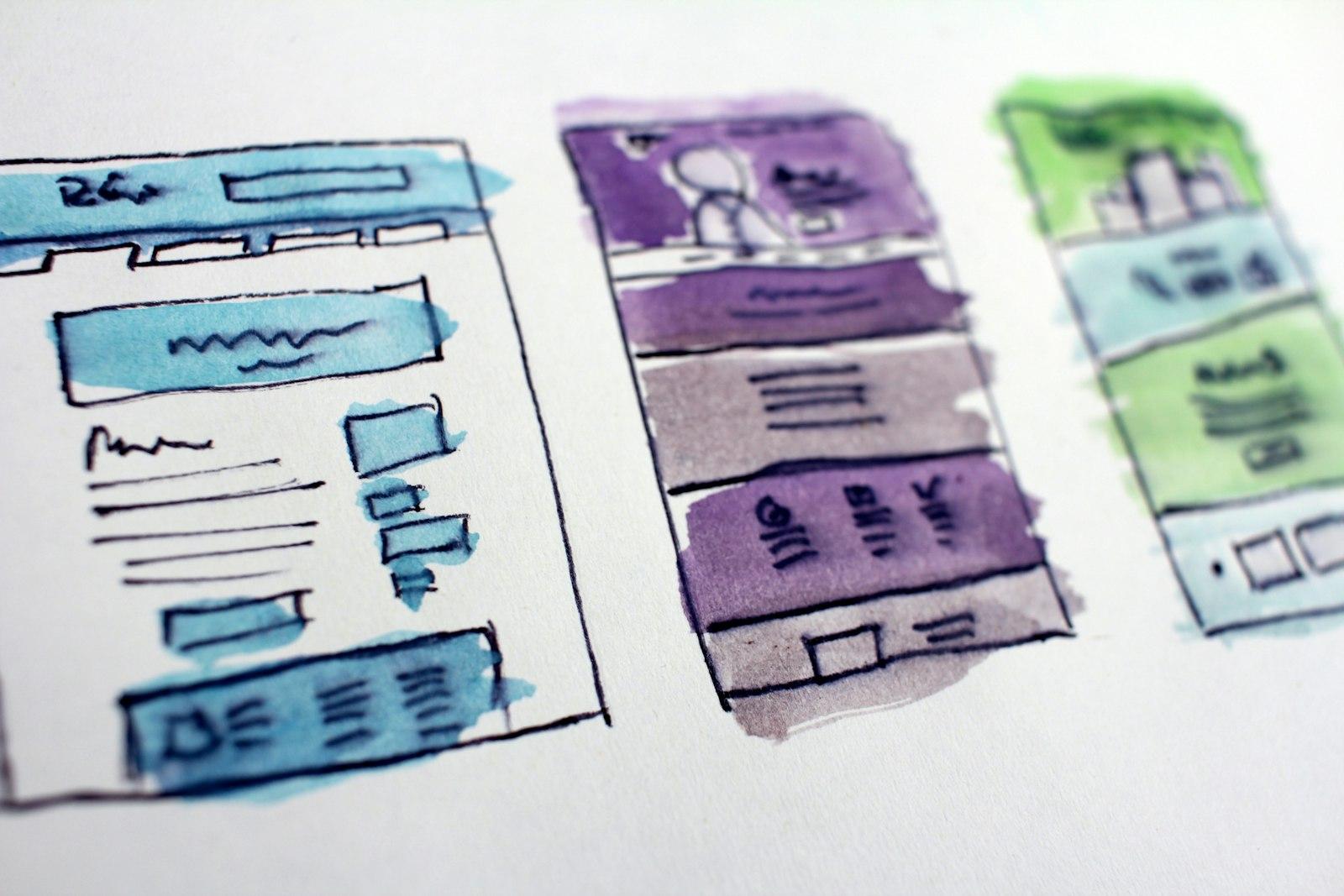
In today's digital era, having a website is no longer just a complement but a primary need for every business. However, simply having a website is not enough. The quality of web design greatly determines whether visitors will stay to explore or immediately leave your site. Poor web design can damage business credibility, while attractive and functional design can boost conversions and sales. Let's delve deeper into why web design is the key to your business website's success.
Why Is Web Design So Important?
Web design isn't just about visual appearance; it's also about how users interact with the website. Good design provides a positive user experience (UX) and a professional impression. Here are several reasons why web design is crucial:
First Impression: Visitors take only 0.05 seconds to judge a website's credibility. A clean, professional design builds trust from the start.
SEO (Search Engine Optimization): A responsive, fast-loading design helps your website rank on Google. Clean HTML structure and clear navigation make it easy for crawlers to index content.
Conversion Rate: An intuitive design with clear call-to-action buttons guides visitors to take action (buy, sign up, contact).
Brand Identity: Web design consistent with your brand identity reinforces your business image in consumers' minds.
Key Elements of Effective Web Design
To create an outstanding website, pay attention to the following elements:
1. Layout and Structure
A good layout naturally guides visitors' eyes to the most important information. Use a grid system to maintain balance and order. Ensure a clear visual hierarchy (headlines, subheadings, content) so it's easy to scan.
2. Color and Typography
Color choices should reflect your brand personality without hindering readability. Use a maximum of 3-4 primary colors. Choose easy-to-read typography (e.g., sans-serif) with comfortable font sizes (at least 16px for body text). Avoid too many font types to maintain consistency.
3. Responsive Design
The majority of internet access now comes from mobile devices. Ensure your website displays perfectly on any screen—desktop, tablet, or smartphone. Responsive design not only improves UX but is also a Google ranking factor.
4. Loading Speed
Users are impatient. If a website takes more than 3 seconds to load, about 53% of visitors will leave. Optimize images, use caching, and choose fast hosting.
5. Clear Navigation
A simple, logical menu helps visitors find information quickly. Use descriptive labels, and on the homepage, ensure there's a main menu covering all important sections. Consider adding breadcrumbs to aid navigation.
6. Relevant Content
Design is just the container; content is the substance. Ensure text, images, and videos are high-quality and relevant to your audience. Use headings (H1, H2, etc.) containing keywords for SEO. Don't clutter pages with unnecessary elements.
7. Compelling Call-to-Action (CTA)
CTAs like "Contact Us" or "Buy Now" should stand out with contrasting colors and strategic placement (e.g., above the fold). Make the call clear and urgent.
Latest Web Design Trends in 2024
The web design world keeps evolving. Following trends can make your website look modern and relevant. Some popular trends this year:
Dark Mode: Dark themes are increasingly favored for eye comfort and battery savings.
Micro-Interactions: Small animations when users interact (hover, click) boost engagement.
3D and Immersive Elements: 3D visuals create a lasting impression, but ensure they don't slow down the site.
Minimalism: Clean design with lots of white space and focus on core content.
Accessibility: Design that is friendly to people with disabilities (color contrast, alt text, keyboard navigation) is becoming a standard.
Tips for Choosing Professional Website Development Services
If you don't have an in-house design team, hiring a digital agency is a smart move. Here are tips for choosing one:
Check Portfolios: Look at the quality and functionality of websites they've built.
Read Testimonials: Search for reviews from previous clients to gauge satisfaction and professionalism.
Ask About SEO: Ensure they apply basic SEO practices during development.
Check After-Sales Support: Do they provide maintenance and technical support?
Price Transparency: Choose those that clearly offer packages suited to your needs.
Conclusion
Web design is a crucial investment that determines the success of your business website. Good design isn't just about aesthetics; it's also about functionality, speed, responsiveness, and search engine optimization. By paying attention to key elements and current trends, and collaborating with professional web design services like Calestira, you can create a website that is not only attractive but also effective in turning visitors into customers. Don't underestimate the power of design—start improving your website today to achieve greater digital success.